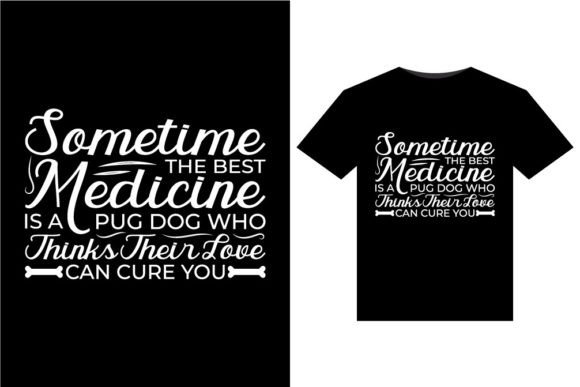
Sometime the Best Medicine
A Designer’s Take on the Siberian Husky Embroidery Design
As a designer who works with embroidery projects ranging from custom apparel to handmade gifts, I often evaluate digital designs before they make their way into real-world products. Today, I’m reviewing Sometime the Best Medicine T-Shirts, a design that blends humor and heart in a way that feels both relatable and visually engaging. Let me walk you through my thoughts as I imagine how this design would perform in various embroidery scenarios.
The First Impression: A Warm, Playful Mood
At first glance, Sometime the Best Medicine T-Shirts evokes a sense of comfort and lightheartedness. The central image of a Siberian Husky looking at the viewer with an exaggerated expression of concern or affection is instantly recognizable and charming. The layout is clean, with ample white space that allows the illustration to breathe. This makes it ideal for use on t-shirts, tote bags, and even baby items where clarity and readability are key.
The theme—love as a cure—is both universal and specific enough to resonate with a wide audience. It’s the kind of message that can be used for holiday gifts, personalized products, or even boutique branding. The visual personality leans toward casual and friendly, which aligns well with its intended use as a graphic for print-ready T-Shirts.
Real-World Embroidery Use Cases
When considering practical applications, Sometime the Best Medicine T-Shirts shines in projects like custom apparel, sweatshirts, and tote bags. Its simple yet expressive illustration means it translates well to fabric without overwhelming the design. For instance, if I were preparing a custom embroidered tote bag for a local craft fair, this design would add a touch of whimsy while maintaining a professional look.
It also fits well for baby clothes, especially onesies or sleepers, where the imagery is gentle and non-threatening. However, I’d caution against using it on very small items like patches or caps due to the detail level and the potential for the Husky’s expression to lose clarity in tight spaces.
For holiday or seasonal projects, this design could work as a festive addition to aprons, kitchen towels, or even blankets. But again, the complexity of the illustration means it might not translate as effectively on curved surfaces or layered garments. Testing on scrap fabric first is always a good idea, especially when working with textured or stretchy fabrics.
Design Considerations for Embroidery Success
One of the key factors in successful embroidery is stitch density. Sometime the Best Medicine T-Shirts features a mix of fill stitches and running stitches, which gives it a soft, organic feel. However, the detail in the Husky’s face and the text may require careful attention to stitch density to avoid over-stitching or under-stitching. This is especially important when working with dark fabrics or when the design needs to be visible after multiple washes.
Thread color contrast is another critical element. While the design is likely optimized for standard white or light-colored shirts, testing it on darker backgrounds is essential. If the design is intended for commercial use, checking thread color options and ensuring they match the brand’s aesthetic is a must. Using the right stabilizer will also help maintain the integrity of the embroidery, especially on delicate or stretchy materials.
For Etsy sellers or small shop owners, Sometime the Best Medicine T-Shirts offers a great opportunity to create unique, handcrafted products. However, it’s important to confirm licensing details before selling finished items or digital files. Ensuring that the design is suitable for both personal and commercial use will help protect your business and build customer trust.
Practical Design Notes for Embroidery Professionals
- Test on scrap fabric: Always check how the design looks on different types of fabric before committing to a full project.
- Check thread color contrast: Ensure the design remains clear and vibrant on both light and dark backgrounds.
- Review stitch density: Adjust settings to prevent over-stitching or under-stitching, especially in detailed areas.
- Confirm hoop size: Make sure the design fits comfortably within your machine’s hoop to avoid distortion.
- Inspect small details: Pay close attention to the Husky’s expression and any text elements to ensure they remain legible.
- Test in black and white mockups: This helps identify any issues with contrast or clarity before finalizing the design.
- Use proper stabilizer: Especially for stretchy or textured fabrics, a quality stabilizer can make all the difference.
- Consider product use cases: Think about how the design will be used in real life—will it be a gift, a boutique item, or a personalized piece?
- Confirm licensing: Always verify whether the design is licensed for commercial use before selling finished products or digital assets.
Final Thoughts on Sometime the Best Medicine T-Shirts
Sometime the Best Medicine T-Shirts is a versatile design that brings warmth and humor to any project. Whether you’re creating custom apparel, personalized gifts, or boutique products, this design has the potential to stand out. However, like any embroidery design, it requires thoughtful consideration of fabric type, stitching technique, and end-use context.
As an experienced designer, I recommend approaching Sometime the Best Medicine T-Shirts with the same care you would give to any other project. With the right preparation and attention to detail, it can become a valuable asset for your craft business, Etsy shop, or handmade collection. Just remember to test, adjust, and ensure that the final product reflects both your vision and your customers’ expectations.