Maltese Dog, Sad
A Thoughtful Embroidery Design for Emotional Expression
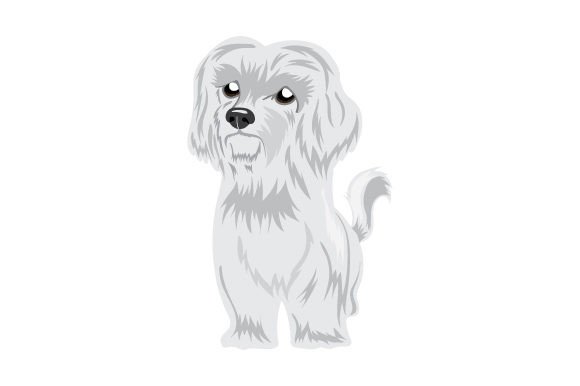
The first thing that strikes me about Maltese Dog, Sad is its emotional weight. This design isn’t just a picture of a dog—it’s a moment captured in time, a subtle expression of vulnerability and tenderness. The soft, rounded lines and the slightly downturned eyes create an immediate sense of empathy. It feels like a companion who’s been through something, not necessarily sad in the dramatic sense, but quietly reflective. This kind of mood makes Maltese Dog, Sad ideal for projects that aim to evoke emotion rather than just provide visual appeal.
Design Layout and Detail Level
Maltese Dog, Sad is well-structured with a balanced layout that avoids overwhelming the eye. The dog’s face is the focal point, and it’s rendered with enough detail to feel lifelike without being overly complex. The fur texture is softly defined, using a combination of satin stitch and fill stitch techniques that give depth without sacrificing clarity. The tail and body are more simplified, which helps maintain a cohesive visual rhythm. This level of detail is perfect for embroidery designs that need to be both expressive and functional in real-world applications.
Real-Life Use Case: A Custom Embroidered Tote Bag
I recently had a client looking for a custom tote bag design for a local boutique that sells handmade items. They wanted something that would stand out but also feel approachable. After reviewing several options, Maltese Dog, Sad stood out as a natural fit. The gentle tone of the design would complement the boutique’s brand identity—warm, welcoming, and artisanal. The dog’s presence on a tote bag could serve as a conversation starter, especially during holiday seasons or as a gift for pet lovers.
When I tested Maltese Dog, Sad on a scrap piece of fabric, the stitching was clean and the colors held up well. The design’s simplicity allowed it to work across different fabric types, from cotton to canvas, making it versatile for various product lines. However, I noticed that the fine details, such as the dog’s whiskers and the subtle shading around the eyes, required careful attention during the stitching process. These elements are best suited for medium to large hoop sizes to ensure they don’t get lost in the stitch density.
Considerations for Different Fabric Types
One of the key factors to consider when using Maltese Dog, Sad is the fabric type. On thin or stretchy materials, the design may require additional stabilizer to prevent distortion. Dark fabrics can also pose a challenge, as the subtle shading might not show up as clearly. Testing the design on a white or light-colored fabric first is a good practice to gauge how the colors will translate in different settings.
For products like baby clothes or caps, where curved surfaces are common, the design’s adaptability is a plus. The rounded shape of the dog fits naturally on these surfaces without requiring major adjustments. However, detailed corners or intricate patterns should be approached with caution, as they can become distorted if not properly supported during the embroidery process.
Practical Tips for Embroidery Designers
If you’re considering using Maltese Dog, Sad in your own projects, there are a few practical steps to take before committing to a final product:
- Test on scrap fabric to see how the design performs in real conditions.
- Check thread color contrast against the intended fabric background.
- Review stitch density to ensure clarity and definition.
- Confirm hoop size to accommodate all design elements without overcrowding.
- Inspect small details like the dog’s eyes and whiskers for clarity.
- Test in black and white mockups to assess composition and balance.
- Use proper stabilizer to maintain fabric integrity during stitching.
- Compare light and dark fabric backgrounds to determine optimal color choices.
- Ensure licensing is confirmed if planning to sell finished items or digital products.
Where to Use Maltese Dog, Sad with Care
While Maltese Dog, Sad is versatile, it’s not without limitations. For instance, dense stitch areas and tiny lettering may not render well on small hoop sizes or textured fabrics. It’s also worth noting that the design’s emotional tone may not align with every brand or product line. If you’re aiming for a more playful or bold aesthetic, this design might not be the best fit. However, for brands that emphasize warmth, comfort, and personal connection, Maltese Dog, Sad is a strong choice.
Visual Appeal and Customer Trust
The visual appeal of Maltese Dog, Sad extends beyond its aesthetic qualities. The way it looks on a finished product can significantly impact customer trust and satisfaction. When customers see a well-executed design, they’re more likely to perceive the product as high quality and professionally made. This is especially important for Etsy sellers, craft business owners, and small shop merchandise creators who rely heavily on first impressions.
Additionally, the emotional resonance of the design can enhance the giftability of the product. A personalized item featuring Maltese Dog, Sad has the potential to be more meaningful than a generic design. Whether it’s a holiday gift, a custom sweatshirt, or a boutique product, the right design can elevate the overall experience for the recipient.
Final Thoughts on Maltese Dog, Sad
In conclusion, Maltese Dog, Sad is a thoughtful and emotionally resonant embroidery design that offers a unique blend of detail and simplicity. It’s well-suited for a variety of projects, from custom apparel to handmade gifts, and its versatility makes it a valuable asset for any designer or small business owner. However, like any design, it requires careful consideration of fabric type, hoop size, and stitching technique to ensure the best possible outcome. With the right preparation and attention to detail, Maltese Dog, Sad can become a standout element in your embroidery portfolio.