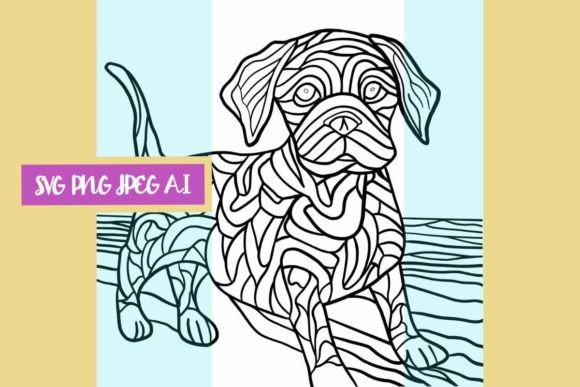
Dog Coloring Line Art
A Simple Design with Big Potential
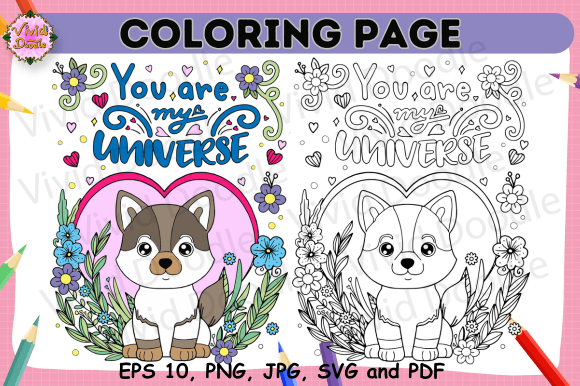
As a designer who’s stitched countless projects from custom apparel to boutique branding, I approach every embroidery design with the same question: Will this work in real life? Dog Coloring Line Art is a clean, black-and-white design that immediately feels like something you’d find in a coloring book. It’s not overly detailed, but it carries enough character to make it memorable. The simplicity of the line art suggests it’s versatile, yet its lack of complexity raises questions about how it will translate to fabric.
First Impressions and Visual Personality
The first thing I notice about Dog Coloring Line Art is its mood. It’s calm, friendly, and slightly whimsical—perfect for a casual or playful project. The dog is rendered in bold lines, which gives it a modern, minimalist feel. There’s no shading or intricate detailing, so it leans more toward an applique-style design than a fully filled embroidery piece. This makes it ideal for those looking to create a subtle, handcrafted look rather than a heavily stitched, decorative one.
While the design is straightforward, I do wonder how well it holds up when viewed up close. The absence of texture or depth means the visual impact is more about the shape and placement than the intricacy of the stitching. That said, it’s a great candidate for projects where simplicity is key, such as personalized gifts or small shop merchandise.
Custom Apparel and Personalized Gifts
When thinking about how Dog Coloring Line Art would perform on fabric, I consider common use cases like custom t-shirts, sweatshirts, and tote bags. The line art works well on these items because it doesn’t require excessive stitching. However, the lack of detail might make it less visually engaging on large surfaces. For smaller areas, like a cap or a patch, it could be just right.
For a baby item or holiday gift, the design’s simplicity allows for easy customization. You can add color through thread choices or even combine it with other elements to create a more dynamic look. But keep in mind that the design’s appeal relies heavily on the contrast between the thread and the fabric.
Commercial and Craft Business Applications
From a commercial standpoint, Dog Coloring Line Art is a solid choice for Etsy sellers and small business owners. Its clean lines make it easy to print mockups and preview how it will look on different fabrics. However, I recommend testing it on scrap fabric first to ensure the stitch density and placement are suitable for your intended product.
It’s also worth considering how the design will be used in a branded context. If you’re creating a line of handmade products, consistency is key. A simple, recognizable design like this can help build brand identity while maintaining a cohesive aesthetic across multiple items.
Where to Be Careful
Despite its charm, Dog Coloring Line Art isn’t without its limitations. It may not be the best fit for certain applications due to its minimalistic nature:
- Small hoop sizes: The design may appear too sparse or incomplete when scaled down.
- Textured or stretchy fabrics: These can distort the lines and reduce clarity.
- Dark fabrics: Without color, the design may become difficult to see unless high-contrast thread is used.
- Curved surfaces: Like caps or hats, the lines might not flow as smoothly around edges.
- Products requiring frequent washing: Repeated laundering could cause the design to fade or wear over time.
For these scenarios, it’s important to test the design thoroughly before committing to a full production run. Always check how it looks in both black and white mockups and on different fabric types.
Design Notes for Embroidery Professionals
If you're an embroidery designer or craft business owner, here are a few practical tips to consider when using Dog Coloring Line Art:
- Test on scrap fabric: Before stitching into a finished product, always try the design on a sample to ensure it looks good in real life.
- Review thread color contrast: Choose threads that stand out against the fabric to enhance visibility and visual appeal.
- Confirm stitch density: Ensure the design stitches cleanly without overcrowding or leaving gaps.
- Check hoop size: Make sure the design fits comfortably within your machine’s capabilities.
- Inspect small details: Even minor inconsistencies can affect the final product’s quality.
- Use proper stabilizer: This helps maintain fabric integrity and ensures even stitching.
- Consider licensing: If you plan to sell finished items or digital products, confirm the license terms before proceeding.
Conclusion
Dog Coloring Line Art is a versatile, low-detail design that offers a fresh and modern approach to embroidery. While it may not be the most complex option available, its simplicity makes it ideal for a wide range of applications—from personal projects to small business merchandise. With the right preparation and attention to detail, it can become a valuable asset in your design toolkit.